SMS vs iMessage: Which Is Better for Business Communication?


TL; DR: Quick Summary
- SMS offers universal reach, high scalability, and cost-effectiveness, making it ideal for mass communication like alerts, OTPs, and promotions.
- iMessage provides a richer, more interactive experience with media sharing, read receipts, and end-to-end encryption, but is limited to Apple users.
- SMS excels in reach and reliability, while iMessage enhances customer engagement, especially for Apple-centric audiences.
- Use SMS for quick, time-sensitive messages and iMessage for personalized, media-rich engagement.
- A hybrid approach combining both SMS and iMessage maximizes reach and enhances customer experiences.
- SleekFlow helps businesses manage both channels seamlessly through automation and centralized messaging.
When it comes to business communication, choosing the right messaging platform can make or break your customer engagement. While SMS remains the universal standard for instant text delivery, iMessage offers a richer, more interactive experience, especially within Apple’s ecosystem. Both have their strengths, but their effectiveness depends on your audience, goals, and integration needs.
In this blog, we’ll break down the key differences between SMS and iMessage in terms of delivery reach, reliability, personalization, and compatibility across devices. You’ll discover which option best suits your business, whether you’re targeting a broad customer base or focusing on premium iPhone users. By the end, you’ll have a clear understanding of how to use each channel strategically to enhance customer communication and brand engagement.
What Is SMS?
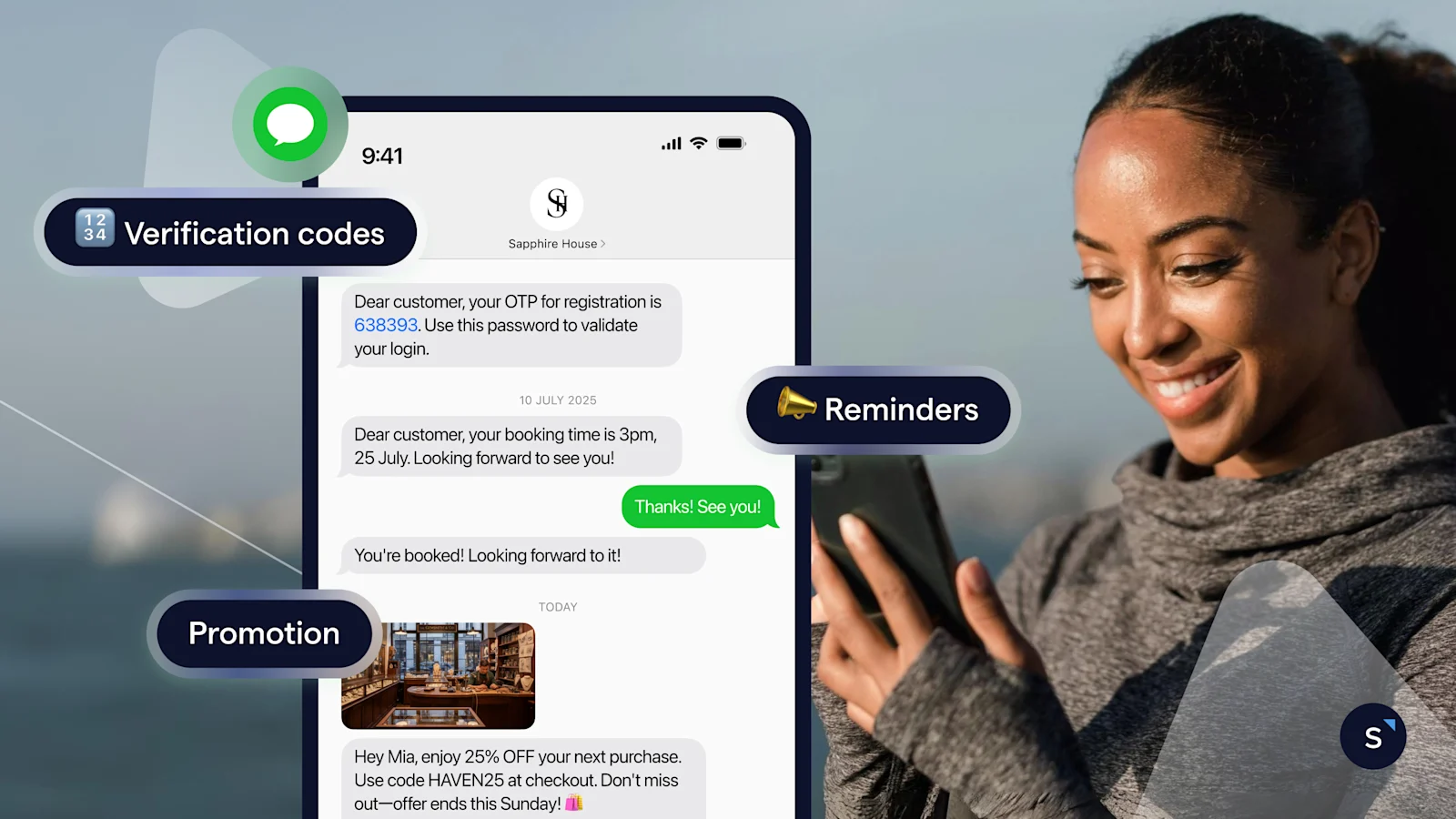
SMS (Short Message Service) is a carrier-based text messaging system that allows businesses to send short text messages directly to any mobile phone, regardless of the device or internet connection. It’s one of the most reliable and widely accessible communication methods, ideal for sending alerts, OTPs, reminders, and promotional offers. Businesses prefer SMS for its instant delivery, high open rates, and cost-effectiveness, as messages typically cost only a few cents each, depending on the region and volume.
However, SMS does have some limitations: messages are usually limited to 160 characters, can’t include media files, and lack read receipts or typing indicators. Despite these constraints, SMS remains a trusted and scalable choice for reaching customers quickly and efficiently across all types of phones.
What is iMessage?
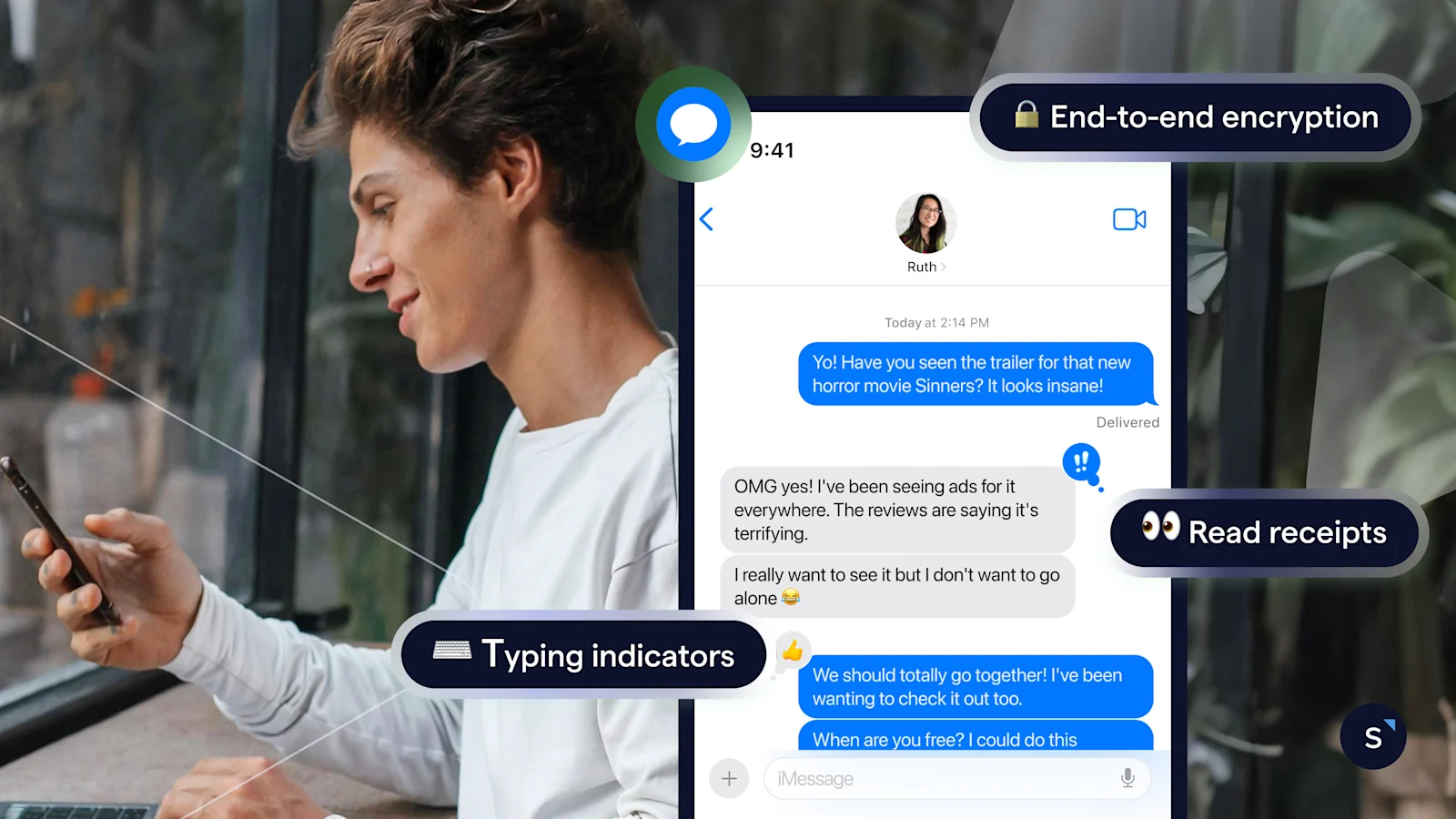
iMessage is Apple’s internet-based messaging platform built for iPhone, iPad, and Mac users. Unlike traditional SMS, it uses Wi-Fi or mobile data to send messages, allowing users to share photos, videos, voice notes, and documents with ease. It also includes advanced features like read receipts, typing indicators, and end-to-end encryption, offering a richer and more secure communication experience. When an internet connection isn’t available, iMessage automatically falls back to standard SMS to ensure message delivery.
While iMessage is free over data or Wi-Fi, businesses relying on SMS marketing often incur costs per message, especially for bulk campaigns. This makes iMessage a cost-effective choice for Apple ecosystems, but its reach is limited to Apple users.
SMS vs iMessage: Key Differences
While both SMS and iMessage serve the purpose of instant communication, they cater to different needs. SMS wins on reach and universality; it works on any device, anywhere, making it ideal for mass marketing and transactional alerts. However, it comes with per-message costs, which can add up quickly for large-scale campaigns.
In contrast, iMessage excels in experience; its media-rich features and secure delivery enhance engagement at virtually no cost over the internet. For businesses, the best choice often depends on the audience mix: SMS for reliability and scale, iMessage for engagement and brand perception.
Business Use Cases: SMS vs iMessage
Businesses can leverage SMS and iMessage strategically depending on their audience, communication goals, and engagement style. Each platform offers unique strengths that complement the other in an omnichannel strategy.
When to Use SMS:
Ideal for transactional alerts, OTPs, appointment reminders, and promotional campaigns.
Works seamlessly across all devices and carriers, ensuring consistent delivery to every customer.
Best suited for time-sensitive updates and large-scale marketing blasts where reliability and speed matter most.
Offers broad audience coverage, making it the backbone of any mass communication strategy.
Real-World Use Cases of SMS and iMessage (Industry Examples)
The Home Depot uses SMS for order‑ready and curbside pickup alerts and opted‑in promo texts at scale. For richer engagement, it was an early Apple Business Chat adopter, enabling iOS users to message for product info, availability, and support.
Delta Air Lines sends high‑volume operational texts, gate changes, delays, schedule shifts, via SMS/Delta Messenger. For deeper help, it piloted Apple Messages for Business so customers can chat in iMessage with an agent or virtual assistant for rebooking and support.
Pizza Hut (UK) used SMS for time-sensitive, location-based promotions and pickup reminders. Through geofencing, its SMS campaigns proved 142% more effective at driving incremental sales compared to TV ads. Meanwhile, iMessage helped them deliver menu previews, loyalty rewards, and more personalized dining suggestions.
Wayfair adopted SMS to send back-in-stock notifications and delivery updates, driving higher engagement rates. For more interactive customer service, like sharing product photos, answering detailed queries, or suggesting alternatives, they leveraged iMessage’s richer messaging capabilities.
When to Use iMessage:
Excels in Apple-dominant markets where personalized and conversational experiences drive engagement.
Great for customer support, loyalty programs, and feedback collection, fostering two-way interaction.
Enables rich media communication with images, videos, documents, and reactions that elevate brand experience.
Delivers a premium, secure, and interactive touchpoint ideal for nurturing relationships with high-value Apple users.
Real-World iMessage Use Cases
Customer Support & Service
U.S. brands deliver one‑to‑one care in iMessage. T‑Mobile lets customers change plans, pay, and even share screenshots for troubleshooting via Apple Messages for Business; Delta Air Lines piloted iMessage support to connect travelers with an agent or virtual assistant. Messages are encrypted in transit per Apple.
Booking & Appointment Confirmation
Service businesses can let customers book and confirm right inside Messages. OpenTable’s iMessage experience enables diners to propose, vote on, and book a table; Apple also supports scheduling and can surface calendar conflicts during booking flows.
VIP / High-Value Customer Engagement
Create concierge‑style, high‑touch chats in iMessage. 1‑800‑Flowers.com runs a “gift concierge” to guide selections; hotel brands like Hilton engage guests through Apple Business Chat during their stay for white‑glove service.
Secure Transactions & Authentication
Close purchases securely in‑chat with Apple Pay; many providers also support identity flows (e.g., OAuth) inside Messages. 1‑800‑Flowers.com lets shoppers browse and pay via Apple Pay directly in iMessage.
Conversational Marketing
When a customer messages you (or opts in), showcase products with rich cards, list pickers, and images and complete checkout via Apple Pay. Harry & David sells through Business Chat with Apple Pay; Apple policy prohibits unsolicited promotional blasts, so outreach must be consented.
The Best Approach:
Rather than viewing SMS and iMessage as competitors, combine both channels for maximum reach and engagement. Using an omnichannel platform like SleekFlow, businesses can automate, manage, and personalize communication across SMS, iMessage, WhatsApp, and more all from a single platform.
SMS vs iMessage: Which One Should Businesses Choose?
Choosing between SMS and iMessage comes down to understanding your audience, message type, and marketing goals. Both platforms play vital roles in modern business communication but each excels in different ways.
Consider the following factors:
Target Audience: If your customer base includes both Apple and Android users, SMS is your best bet. It works universally across devices and networks, making it ideal for mass communication and urgent alerts. However, if you’re targeting Apple users, iMessage offers a premium experience through media-rich, personalized interactions.
Message Type: Use SMS for short, time-sensitive updates like OTPs, reminders, and promotions. Choose iMessage for interactive, conversational engagement, such as loyalty programs or customer support.
Scalability & Automation: SMS marketing scales easily across global audiences, while iMessage can be automated for tailored Apple-based campaigns.
Ultimately, SMS ensures broad reach, while iMessage enhances engagement where applicable. The smartest move is a hybrid approach leveraging both channels for maximum impact.
By centralizing all major messaging channels, SleekFlow lets teams streamline conversations, automate tasks, and maintain a unified customer experience without switching tools.
How SleekFlow Can Help Manage SMS
SleekFlow empowers businesses to streamline communication with its omnichannel conversational AI platform. It enables brands to manage SMS, WhatsApp, Facebook, and other channels seamlessly from a single dashboard, eliminating the hassle of switching between apps.
Key features include:
Unified inbox to view and reply to all customer messages in one place.
Automation and AI workflows (AgentFlow) to handle inquiries and trigger timely SMS campaigns.
CRM integrations to personalize communication and track customer journeys.
Analytics dashboard to measure engagement and campaign performance.
With SleekFlow, businesses can combine the power of SMS marketing with intelligent automation, enhancing efficiency, consistency, and customer satisfaction.
Try SleekFlow to unify your customer communication today.
Conclusion
Both SMS and iMessage have distinct strengths in business communication. SMS stands out for its universal reach, scalability, and reliability, making it perfect for alerts, promotions, and transactional messages. On the other hand, iMessage delivers a richer, more personalized experience for Apple users with media sharing and read receipts.
The best strategy isn’t choosing one over the other; it’s using both together. By adopting an omnichannel communication approach, businesses can engage every customer on their preferred platform.
With SleekFlow’s unified messaging platform, you can manage SMS and other conversational channels from a single dashboard, automating workflows, tracking performance, and personalizing customer interactions while ensuring broad coverage.
Start building your omnichannel strategy with SleekFlow today.
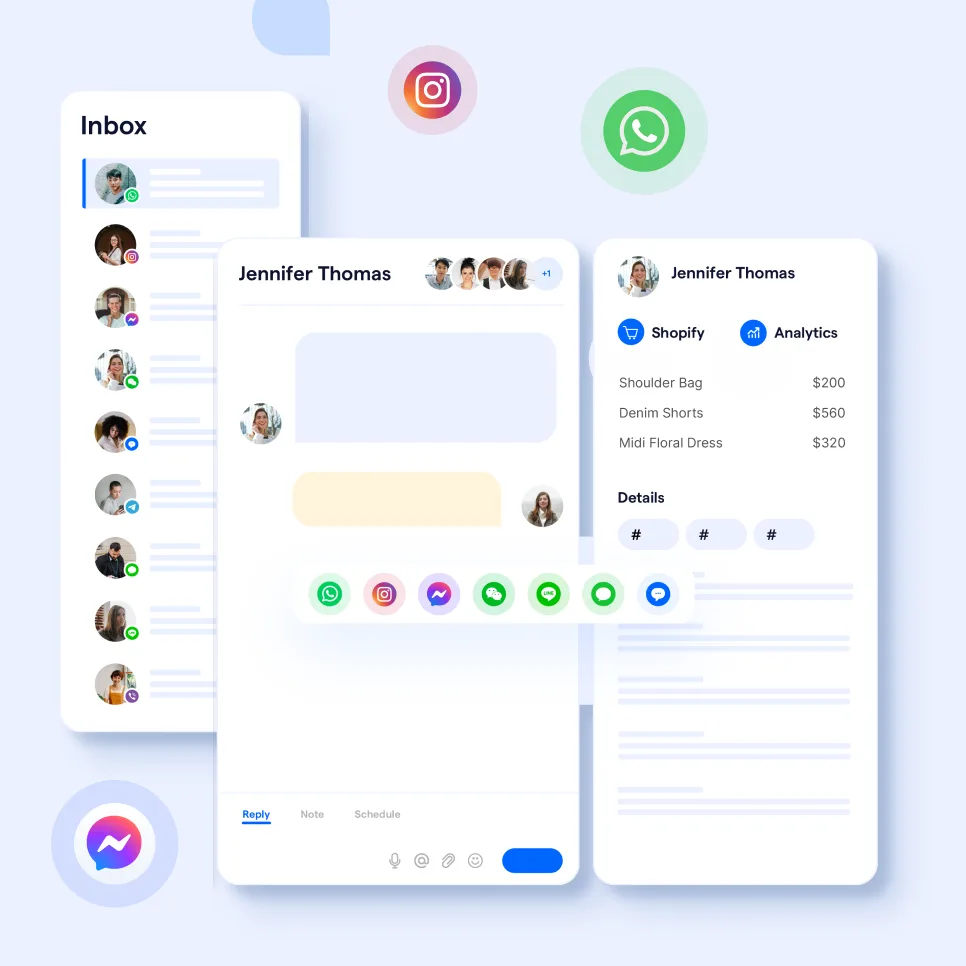
Integrate all messaging channels into one platform
Forget about the old-school way to chat. Team up with colleagues to boost productivity instantly.


