Omnichannel 101: a practical guide for businesses


TL; DR: Quick Summary
Omnichannel connects WhatsApp, Instagram, live chat, email, and offline touchpoints so customers get one seamless experience across every channel.
Omnichannel vs multichannel: multichannel uses many channels, while omnichannel links them into one consistent customer journey.
An omnichannel strategy improves response times, customer experience, conversions, and team handovers by keeping every interaction connected.
Top omnichannel channels include WhatsApp, Instagram, website live chat, email, and in-store support, tracked with KPIs like response time and CSAT.
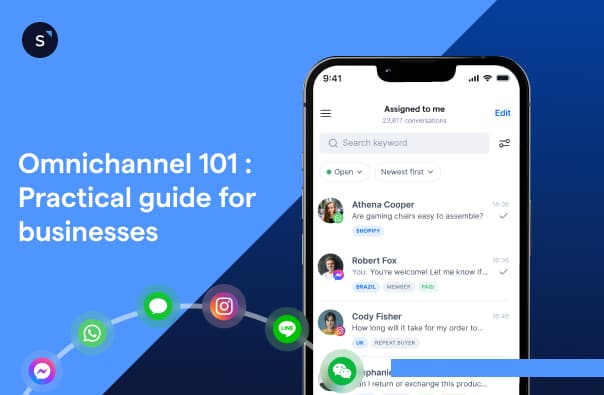
SleekFlow helps businesses run omnichannel customer engagement with a shared inbox, automation, WhatsApp API, and full customer context for sales and support.
In Singapore, customers move fast between social media, messaging apps, websites, email and offline touchpoints. DataReportal reports 98.4% internet penetration and 90.6% social media user identities in Singapore, while Salesforce found that 75% of Singapore consumers expect consistent interactions across departments. That is exactly why omnichannel is no longer a “nice to have” for growing brands. It is the operating model customers already expect.
What is omnichannel?


Omnichannel is a customer experience strategy that connects channels, teams and customer data so people can move from one touchpoint to another without losing context. Salesforce defines it as a cohesive shopping experience across channels, while HubSpot describes it as an integrated approach across channels, platforms and devices.
That means a customer can discover your brand on Instagram, ask a question on WhatsApp, buy on your website, receive delivery updates, and come back for support without having to start from zero each time.
A true omnichannel customer experience usually has four traits:
one customer profile
shared conversation history
connected workflows across teams
channel-specific execution, but consistent context
Omnichannel vs. multichannel: what is the difference?
Many businesses are multichannel without being omnichannel.
An example of what multichannel and omnichannel look like:
MultichannelInstagram → Website → Email → StoreEach channel works, but mostly in silos.
OmnichannelInstagram ad → WhatsApp chat → Website checkout → Delivery updates on WhatsAppEach step shares customer context.
Multichannel is about offering multiple contact points, while omnichannel is about making those interactions connected and consistent.
Why omnichannel matters for business
Customers do not think in channels. They think in outcomes.


They want to ask once, decide faster, and get help without repeating themselves. 80% of customers say the experience a company provides is as important as its products and services, and 56% say they often have to repeat or re-explain information to different representatives. That friction is exactly what an omnichannel strategy removes.
For businesses, this matters even more because customer journeys often blend:
research on social and video platforms
messaging-led sales conversations
web checkout
in-store fulfilment or service
post-purchase follow-up across chat, email or phone
Benefits of using omnichannel
A strong omnichannel strategy helps businesses:
Increase conversion rates by reducing drop-off between discovery, conversation, and checkout
Improve response speed because teams can work from one place instead of switching apps
Personalise at scale with shared customer data and automation
Improve support quality through better handovers and ticket visibility
Measure real business impact across conversations, conversions and service outcomes
What an omnichannel customer journey actually looks like

Retail and ecommerce journey
A shopper discovers a product through an Instagram post or ad and sends a message to ask about sizing, colours or stock availability. The conversation continues on WhatsApp, where the brand shares product recommendations, answers questions and sends a checkout link. After the purchase, the same thread is used for order confirmation, delivery updates and post-purchase support.
Example flow: Instagram ad → product question on WhatsApp → personalised recommendation → website checkout → shipping update on WhatsApp → after-sales support in the same chat
Why it works: The customer moves naturally from discovery to purchase to support without losing context. That reduces friction and helps the brand convert interest into revenue faster.
B2B sales journey
A prospect finds your business through Facebook or your website and starts a conversation via live chat to ask about pricing, integrations or use cases. The enquiry is qualified and moved to WhatsApp, where a sales rep continues the discussion, shares relevant information and confirms a meeting. If the prospect visits your office or meets the team at an event, the conversation still continues in the same thread, giving sales and onboarding teams full context.
Example flow: Facebook content or website visit → live chat enquiry → follow-up on WhatsApp → demo booked → offline meeting or consultation → onboarding begins with full conversation history
Why it works:The handover between marketing, sales, and onboarding feels seamless because the customer is not forced to restart the conversation at each stage.
Customer support journey
A customer visits the website and starts with live chat for a quick question. A chatbot handles simple queries instantly, but if the issue is more complex, it is escalated to a human agent. If the customer later walks into a store or speaks to a staff member offline, the support team can still refer to the original case and continue the conversation on WhatsApp without asking the customer to explain everything again.
Example flow: Website live chat → chatbot handles first response → escalates to agent → offline follow-up if needed → resolution and updates on WhatsApp
Why it works: Automation improves speed, human support handles nuance, and the case stays connected across digital and offline touchpoints.
Quick summary
The best omnichannel customer journey feels effortless from the customer’s perspective. Even when they move across Instagram, Facebook, live chat, WhatsApp, and offline interactions, the experience stays consistent because the business has connected the people, systems and conversation history behind the scenes.
Common channels used in omnichannel
Not every business needs every channel. The right mix depends on customer behaviour and commercial intent.
WhatsApp, Instagram, live chat, and offline touchpoints are usually the highest-priority stack.
Omnichannel mistakes you need to avoid
The most common mistakes are predictable and can be prevented.
Adding more channels without connecting them: More entry points do not fix a broken journey.
Treating every channel the same: A WhatsApp conversation, TikTok content piece and support email should not sound identical.
Chasing presence over journey quality: Customers care less about how many channels you offer than about whether the handoff works.
Automating without escalation paths: Fast automation is useful. Dead-end automation is damaging.
How to measure omnichannel success
Do not measure your strategy only by follower growth or message volume. Measure the journey. Below is a quick table on how to measure omnichannel success.
Some omnichannel platforms offer analytics that let you track conversations and conversions, broadcast performance, business-hours-adjusted response metrics, ticket tracking, and sales attribution from in-chat payments.
Real omnichannel examples in Singapore
Singapore already offers strong examples of omnichannel customer experience done well.
Loft Home


Loft Home connected its Shopify store with WhatsApp so customer conversations, order details, and post-purchase updates all sit in one place. Instead of handling enquiries and updates manually, the team uses SleekFlow to automate key WhatsApp messages, view order information directly inside the chat, and manage conversations more efficiently from a shared workspace. Loft Home also uses SleekFlow to turn showroom traffic into ongoing WhatsApp conversations by giving each salesperson a unique QR code, so customers can continue speaking to the same person after an offline visit.
Results:
40% operational time saved
How2design4u, Singapore


How2design4u consolidates leads from click-to-WhatsApp ads, Facebook Lead Ads, Instagram, and Facebook Messenger into a single shared inbox. It also uses SleekFlow’s automation to send instant replies, qualify leads, route chats to the right salesperson, and keep conversations moving even outside office hours. This gives the team a single, connected workflow from lead capture to sales follow-up, rather than managing each channel separately.
Results:
SG$450,000 in revenue in 2 months
2X more leads
Reply rate increased from 55% to 91%
How SleekFlow helps your omnichannel strategy
SleekFlow is built for businesses that want to move from scattered conversations to a real omnichannel strategy.
With SleekFlow’s omnichannel platform, teams can centralise chats from messaging and web channels, automate lead qualification and follow-up, and keep customer context visible across the journey. The shared inbox helps teams collaborate, the WhatsApp Business API supports high-intent messaging at scale, and ticketing keeps service requests structured instead of buried in long chat threads. Moreover, you can deploy AI agents trained with your company documents across all of your messaging channels, to deliver the same consistent brand experience.

Start for free!
Grow your revenue and turn chats into conversions with AI agents. Try SleekFlow for free, forever.
Frequently Asked Questions
Share Article