Restaurant automation in the UAE: automating guest conversations without losing the personal touch


TL; DR: Quick Summary
- The UAE foodservice market is set to grow from US$27.28 billion in 2026 to US$61.21 billion by 2031, so competition for every table keeps intensifying.
- UAE guests discover restaurants on social and expect to book, ask, and reschedule in chat, with 74% finding new places through social media.
- Automation works best when it handles the logistics and leaves judgement, warmth, and service recovery to people.
- Personalisation at scale depends on a guest database the restaurant owns, not on what staff can remember.
- The operators who win keep efficiency behind the scenes and hospitality out front.
Every restaurant operator in the UAE faces the same squeeze. Guests expect instant replies, personal recognition, and effortless booking. Rents, food costs, and salaries keep climbing, and the phone still rings through the dinner rush. Hiring more staff to answer messages is not a plan. Ignoring the messages is worse.
That tension is why we brought hospitality and F&B leaders together at SleekFlow's Hotel & Restaurant Revolution Summit in Dubai.
Across three panels on operations, F&B revenue, and hospitality marketing, one theme kept surfacing: technology should make hospitality better, not replace it. This article covers the numbers behind the UAE restaurant opportunity, what that room agreed on, and a practical way to approach restaurant automation that makes your restaurant feel more personal, not less.
What is restaurant automation for UAE restaurants?
Restaurant automation is the use of AI and workflow tools to handle guest conversations, mainly on WhatsApp plus Instagram and web chat, connected to a restaurant's reservation system and guest database. It answers menu and availability questions, books and confirms tables, sends reminders that cut no-shows, captures preferences before arrival, and follows up after the meal.
The distinction that matters is what gets automated. Logistics and repetition go to the machine. Judgement, warmth, and the recovery of a bad experience stay with people. A good setup knows the difference and hands the conversation to a human instantly, with the full history attached, the moment one is needed.
Why UAE restaurants are automating conversations now
The market context turns conversation quality into a competitive advantage rather than a nice-to-have.
Dining out is a habit, but diners are choosier. Nearly 59% of UAE residents dine out at least once a week, yet 31% say they eat out less than a year ago and over half have changed their habits to get more value. The winners convert first visits into regulars, and regulars are built on relationships.
Discovery is social, decisions are conversational. 74% of UAE diners find new restaurants through social media, and the natural next step after finding you on Instagram is a message. If that message sits unanswered, the guest books elsewhere.
Acceptance is not the barrier. In the same research, 95% of UAE consumers said they are comfortable with restaurants using AI. The challenge is not whether guests will accept automation. It is doing it without making them feel processed.
What F&B leaders said at the Hotel & Restaurant Revolution Summit
We hosted the summit in Dubai across three panels: leading modern hospitality, evolving F&B, and redefining hospitality marketing. The day centred on AI, but the recurring themes stayed grounded. Four stood out.
Guests should feel remembered, not processed
Personalisation is no longer optional, but there is a line. Remembering a regular's usual table and dietary preference reads as hospitality. A generic blast with a first name dropped in reads as surveillance. Technology earns its place when it helps staff deliver real recognition at a scale memory cannot manage.
Loyalty is built on trust, not points
Points and perks have their place, but the room kept returning to trust as the thing that brings guests back. Trust comes from delivering what you promise every time: the booking that is actually held, the reminder that arrives, the follow-up that shows you noticed. Consistency is the loyalty programme.
Meet guests on the channel they already use
UAE guests are already on WhatsApp, so the guidance was simple: be there. Bookings, reminders, promotions, and a quick note after the meal all belong in the channel guests actually open, across the whole journey from discovery to the return visit.
When costs rise, find efficiency the guest never feels
The sharpest takeaway came from the profitability panel. When costs go up, the easy moves are raising prices or cutting quality. The smarter one is finding efficiency behind the scenes: absorbing the repetitive conversation load, cutting no-shows, and freeing staff hours for the floor, without the guest ever sensing a downgrade.
How automation works across the guest journey
Automation is easiest to judge when you follow one guest from discovery to a return visit.
Discovery to conversation. A guest finds you on Instagram or Google and taps through to WhatsApp. An AI agent answers instantly, in English or Arabic, at 11 PM on a Thursday.
Booking in chat. The agent checks availability in your reservation system, confirms the table, and captures party size, occasion, and dietary notes.
Pre-visit. A reminder goes out with easy confirm or reschedule options, and preferences are logged to the guest profile so the floor team sees them before arrival.
During the visit. Staff focus on service. If the guest messages that they are running late or adding two people, the thread updates the booking.
Post-visit. A follow-up thanks the guest and invites feedback. Praise gets a warm reply and a nudge to review. A complaint routes instantly to a manager as a human conversation, with full context.
Return visit. Weeks later, a relevant invitation goes out: the new menu that matches their order history, or a birthday table. Personal, because the data is.
Speed matters more than most operators assume. Research on response times found that replying within 5 minutes rather than 30 can lift qualification by as much as 21x, and a guest weighing two restaurants at 8 PM decides just as fast. The payoff runs through the whole loop: fewer empty seats from instant replies and reminders, hours returned to the floor when the same questions answer themselves, and a guest database you own rather than rent from an aggregator.
What automation can and can't replace
Automate logistics, never the relationship. Bookings, reminders, FAQs, and confirmations are fair game. Apologies, complaints, and VIP moments belong to people.
Build escalation in from day one. The moment a conversation turns emotional, complex, or high-value, it should reach a person with the full history attached. No dead ends, no "please call during office hours."
Sound like your restaurant. Train the AI on your tone, menu, and policies. A beach club and a fine-dining room should not message the same way.
Speak your guests' languages. In the UAE that means Arabic and English at minimum, handled natively rather than translated awkwardly, including the mid-conversation switching many residents do.
Use data to recognise, not to spam. Frequency caps, genuine relevance, and easy opt-outs keep WhatsApp a welcome channel. One irrelevant blast can undo months of trust.
Measure what hospitality measures. Track no-show rate, repeat-visit rate, response time, and spend per guest, not message volume.
Automation done wrong vs done right
UAE restaurants and the personal touch: real examples
At the Hotel & Restaurant Revolution Summit, operators consistently described WhatsApp as the channel guests already use for bookings, reminders, and follow-ups, and pointed to behind-the-scenes AI efficiency as the answer to rising costs.
LUBUDS Group, a Hong Kong F&B group with nearly 40 outlets, connected more than 100 WhatsApp and social channels to SleekFlow. Walk-in guests scan a WhatsApp QR code to redeem offers, which enriches the guest database, while chatbots guide diners to the right restaurant, menu, and reservation across every location.
Nutrition Kitchen, an F&B brand, moved beyond email, where open rates sat around 20%, to WhatsApp for broadcasts and automated reminders, so promotions and abandoned-cart nudges finally reached customers.
How SleekFlow helps UAE restaurants automate with a personal touch
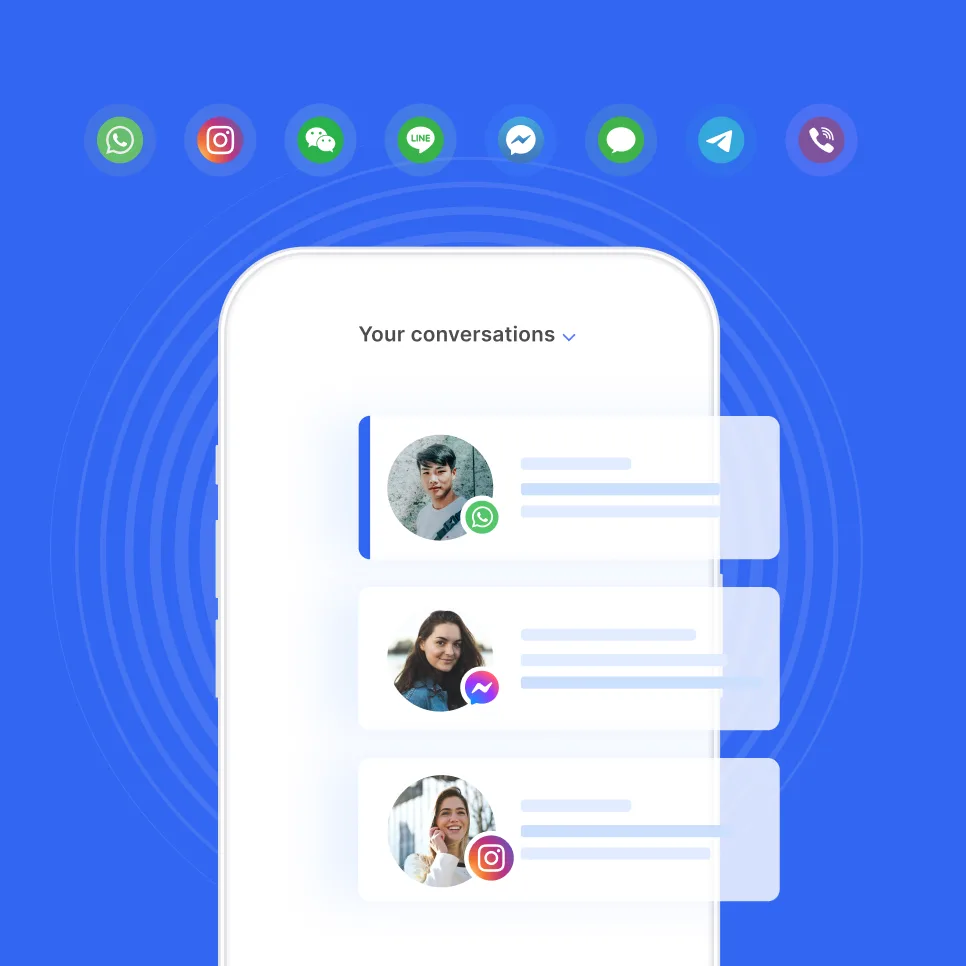
SleekFlow gives UAE restaurants one place for the whole guest conversation: WhatsApp, Instagram, and web chat in a single inbox with a unified profile per guest. AgentFlow agents handle bookings, FAQs, and follow-ups in multiple languages, then hand over to your team with full context the moment warmth or judgement is needed.
Flow Builder automates reminders, waitlists, feedback routing, and win-back broadcast campaigns without code, and analytics show response times, repeat-visit impact, and the questions guests keep asking. It runs on enterprise-grade security (ISO 27001, SOC 2 Type II, ISO 42001) with consent and data governance built in, which matters under the UAE's Personal Data Protection Law.
The UAE restaurants that win the next 5 years are building relationships now
The UAE dining market will more than double by 2031, and so will the competition for every table. Food and ambience get guests through the door once. What brings them back is feeling known: the booking that took 10 seconds, the reminder that saved the evening, the follow-up that showed you cared, the invitation that was actually relevant.
That is not the opposite of automation. As the leaders at the summit put it, it’s what automation is for: efficiency behind the scenes the guest never feels, and hospitality out front that they always do.
Want to outcompete your peers with SleekFlow's help?
Book your personalised demo with SleekFlow today and unlock the potential of seamless communication
to see what conversational guest engagement could look like for your restaurant.


