AI sales automation: What to automate first and how to choose the right software


TL; DR: Quick Summary
- AI sales automation optimizes your entire backend workflow, moving beyond simple chatbots to handle lead management and data synchronization seamlessly.
- You can replace rigid, traditional outreach sequences with dynamic AI triggers that adapt to real-time prospect behavior and intent signals.
- Automated assistants eliminate manual research by instantly gathering prospect insights, allowing your team to focus entirely on closing deals.
- This technology enables hyper-personalization at scale, ensuring every message feels tailored without requiring hours of manual labor from your reps.
- By automating repetitive admin tasks like CRM updates and lead routing, your sales pipeline moves faster while maintaining total data accuracy.
Sales teams are being squeezed from both sides. Buyers want faster, more personalized responses, while reps still spend too much time on admin, follow-up, routing, scheduling, and CRM updates. At the same time, sales cycles are getting longer: Salesforce reports that 57% of sales professionals say the sales cycle is getting longer, and sales reps spend 60% of their time on non-selling tasks.
That is why AI sales automation is getting so much attention. But many businesses start in the wrong place. They look for the best AI sales automation software before deciding which parts of the sales workflow actually need automation. In practice, the biggest gains usually come from fixing the steps that slow your team down every day, from qualification and routing to follow-up, scheduling, CRM updates, and re-engagement.
This guide explains what AI sales automation is, how it differs from traditional automation, what to automate first, and how to choose software that fits your sales motion.
What is AI sales automation?
AI sales automation is the use of AI to reduce repetitive sales work and help teams move leads through the sales process more efficiently. It can support tasks such as lead qualification, first response, routing, follow-up, scheduling, CRM updates, and re-engagement.
It is broader than an AI sales agent. An AI sales agent may talk to leads directly, but AI sales automation also includes workflow orchestration, summaries, prioritization, and handoff between systems and people. That distinction matters because most businesses do not need AI for one isolated task. They need a setup that removes operational friction across the workflow.
AI sales automation vs traditional automation
Unlike traditional automation, AI can also interpret intent, adapt responses, and recommend next actions based on context.
Traditional automation still matters. It works well when your process is structured and predictable. AI sales automation becomes more useful when the workflow depends on context, timing, and judgment. In practice, the strongest setup usually combines both: rules for structure and compliance, AI for interpretation and next-step support.
What workflows should you automate first?
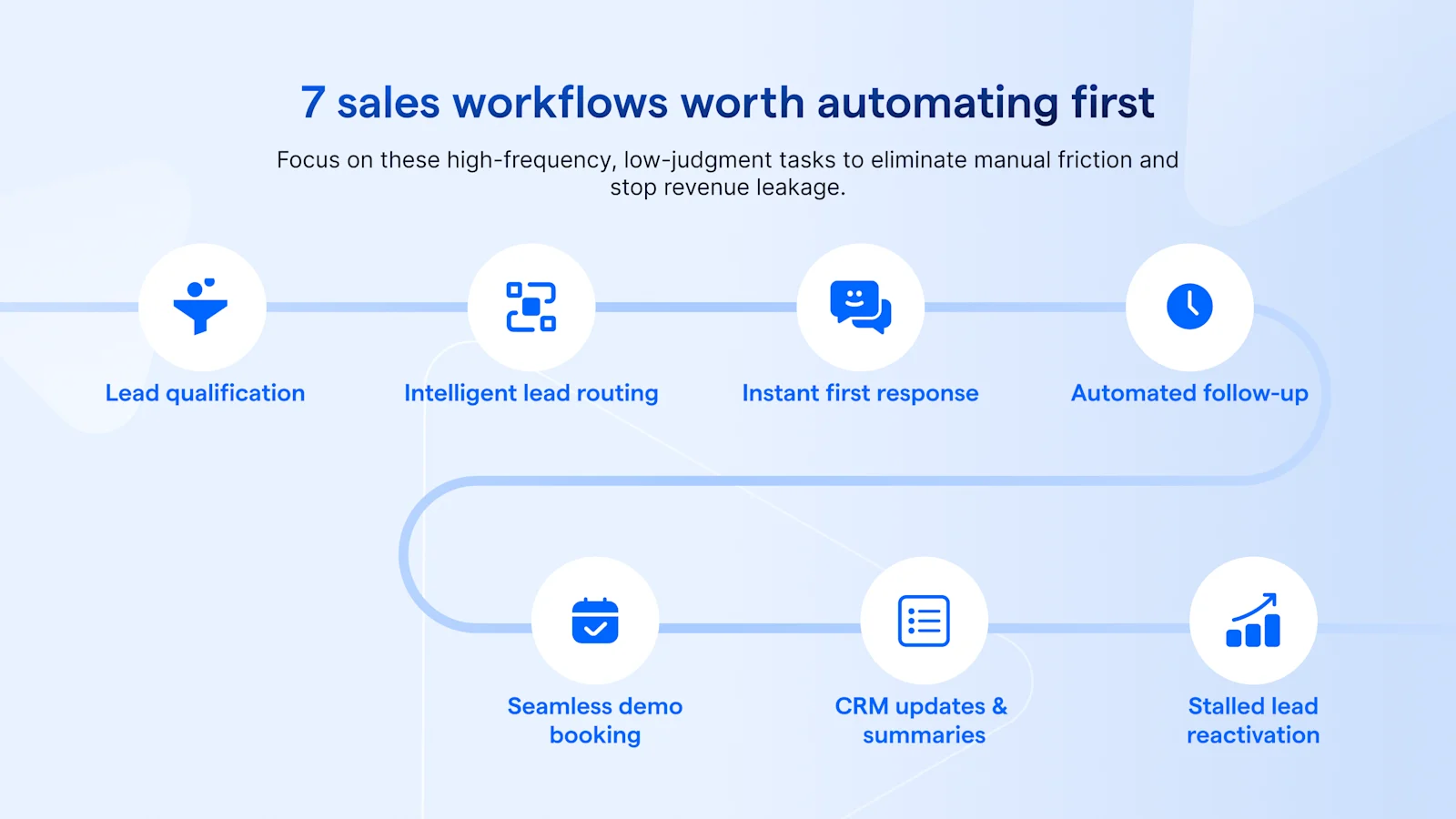
Do not try to automate everything at once. Start with the workflow that creates the most delay, manual effort, or revenue leakage.
A good rule is simple: automate the tasks that happen often, slow your team down, and do not require a rep’s full judgment every time.
1. Lead qualification
This is often the best place to start because it sits close to the top of the funnel and affects everything that comes after it.
AI can ask screening questions, detect intent, identify product interest, and collect basic lead details before a rep steps in. That helps your team spend less time on low-fit enquiries and more time on qualified opportunities.
2. Lead routing
If leads are sitting in a queue too long or getting passed around manually, routing is another high-impact workflow to automate first.
AI can assign conversations based on urgency, language, location, product interest, or team ownership. That shortens response time and reduces the risk of hot leads being missed.
3. First response
Many businesses lose momentum in the first few minutes of a conversation, especially outside business hours.
AI can send instant replies, answer basic questions, and collect missing information before a rep joins. This is especially useful for messaging-first sales teams, where buyers expect quick answers and often move on if they do not get them.
4. Follow-up
Follow-up is one of the easiest places for revenue leakage to happen. A lead shows interest, then no one follows up at the right time, or the message is too generic to restart the conversation.
AI can trigger reminders, personalize follow-up messages, and keep the workflow moving after an enquiry, demo request, or pricing conversation.
5. Demo booking
If your team is losing leads between “interested” and “booked,” this is a strong workflow to automate.
AI can suggest next steps, share booking links, answer simple pre-demo questions, and remind leads who do not complete the booking. That reduces friction without forcing reps to manually chase every lead.
6. CRM updates and conversation summaries
This is less visible to buyers, but it is one of the biggest time drains for sales teams.
AI can summarize conversations, capture important details, and update CRM records automatically. That means reps spend less time on data entry and more time progressing deals.
7. Stalled lead reactivation
Not every lead converts quickly. Some ask for pricing, compare options, then go quiet.
AI can detect inactivity, pull past context, and send a more relevant re-engagement message based on the lead’s last known interest. That is far more useful than a generic “just checking in” email or chat message.
AI should handle repetitive work like qualification, routing, summaries, and follow-up triggers. Human reps should still lead complex, high-value, or relationship-driven conversations where judgment and trust matter most.
How to choose the right AI sales automation software?
Choosing AI sales automation software is not about finding the tool with the most AI features. It is about finding the one that fits your sales workflow, channels, and team habits.
The easiest way to choose well is to start with your bottleneck, not the vendor list.
Step 1: Identify your biggest bottleneck
Before comparing platforms, ask where leads are getting stuck today.
Is the issue a slow first response? Too much manual qualification? Poor handoff between teams? Rep admin? Missed follow-up? If you are not clear on the problem, it becomes much easier to buy the wrong category of software.
Step 2: Match the software to your sales motion
Different sales motions need different tools.
If your team mainly sells through WhatsApp, Instagram, Messenger, or website chat, a messaging-first platform usually makes more sense than a tool built mainly for email sequences. If your reps spend too much time updating records and summarizing calls, CRM-native automation may matter more. If your main goal is outbound prospecting at scale, you may need a sales engagement platform instead.
Step 3: Test one real workflow end to end
Do not rely on a polished feature demo. Ask the vendor to show one real scenario from start to finish.
For example: a lead asks for pricing, the system responds quickly, qualifies the lead, routes the conversation to the right rep, preserves the context, updates the CRM, and triggers the next step if no meeting is booked.
That tells you much more than a long list of AI features.
Quick guide: which type of tool should you choose?
If your biggest problem is missed inbound leads from chat channels, choose a messaging-first AI sales platform.
If your team spends too much time qualifying leads manually, choose software with conversational AI and lead routing.
If reps are buried in notes, pipeline updates, and admin work, choose CRM-native AI automation.
If your main goal is outbound prospecting at scale, choose a sales engagement or prospecting platform.
If leads often get lost between channels or teams, choose an omnichannel platform with strong assignment and handoff workflows.
What to look for before you shortlist vendors
Make sure the platform can:
support your main sales channels
qualify leads, not just draft replies
route conversations accurately
hand off to humans without losing context
sync with your CRM or existing systems
automate follow-up and next steps
give you reporting tied to speed, conversion, or productivity
be launched and managed without heavy technical overhead
This matters because real AI value usually comes from redesigning workflows, not from adding isolated AI features on top of an existing process.
How SleekFlow helps automate sales workflows across messaging channels
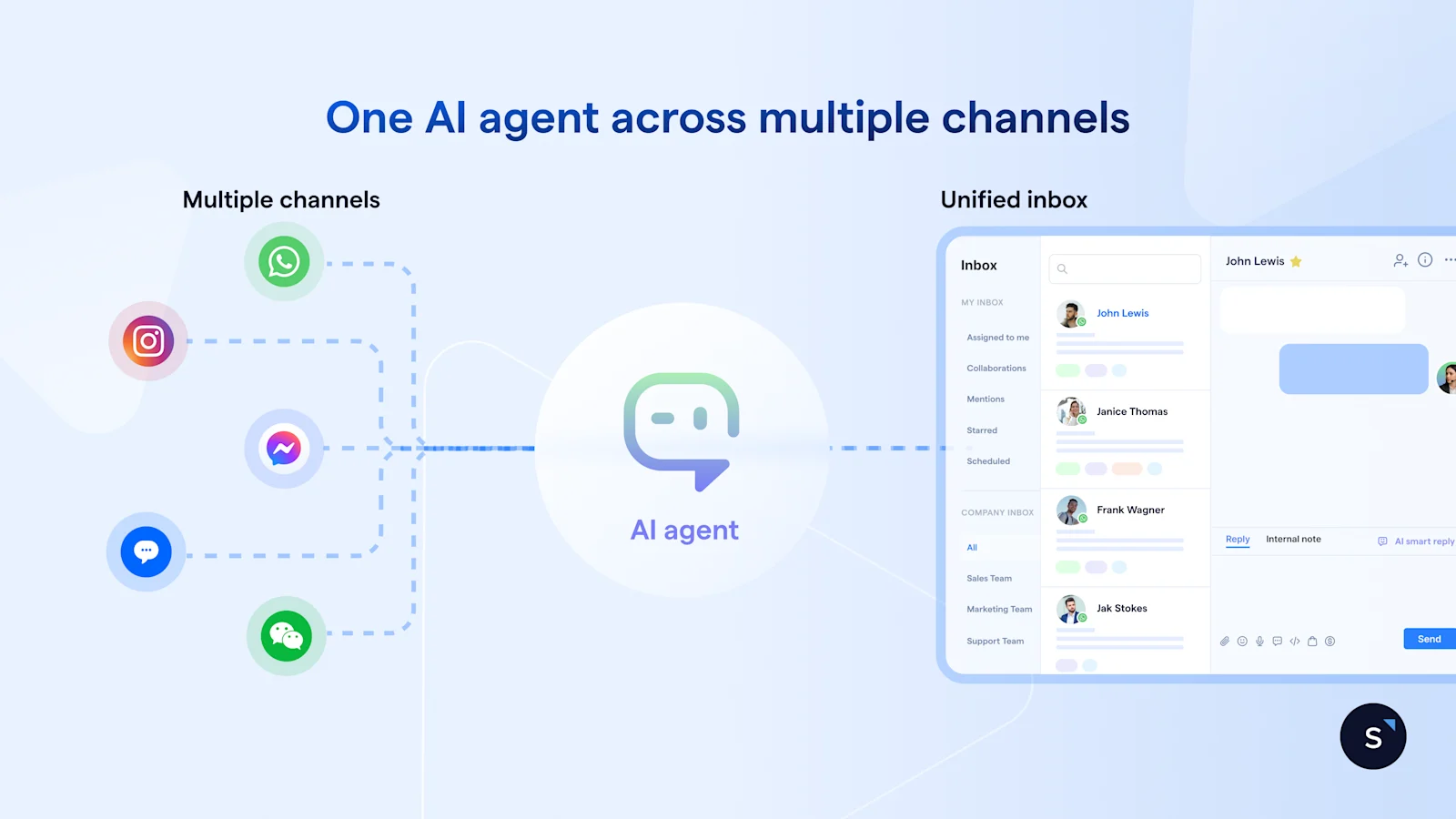
If your sales process happens mainly in messaging channels, SleekFlow is a strong fit for teams that need to qualify leads, route conversations, automate follow-ups, and hand off to human reps without losing context.
With AgentFlow, SleekFlow helps businesses engage leads instantly, qualify them more efficiently, streamline handoffs, schedule meetings, and automate follow-ups across the sales journey. It is especially relevant for teams selling through WhatsApp, Instagram, Messenger, and website chat, where speed and conversation continuity directly affect conversion.
That makes SleekFlow, the AI Suite for revenue-driving conversations, a strong option for messaging-first teams that want to reduce manual work, centralize customer conversations, and move leads forward faster.
How businesses use SleekFlow to automate sales
1. Checkmob using AgentFlow to automate first contact, qualification, and demo booking
Checkmob’s inside sales team was still handling lead qualification manually. SDRs were spending time on repetitive first responses, manual scheduling, and demo confirmations, which slowed response times and affected conversion.
With SleekFlow, Checkmob used AgentFlow to automate first contact, qualify leads, schedule demos directly through WhatsApp, and sync lead data into the CRM before a human rep stepped in. The SDR only needed to join when human interaction was actually needed.
As a result:
70% reduction in response time
30% time savings for sales team
20% increase in demo bookings
Today, AgentFlow does all of that automatically — the first contact, the qualification, and the demo scheduling…”

Andre Zacarias
Head of Sales at Checkmob
2. Animes-Pro using AgentFlow to classify enquiries and support sales at scale
Animes-Pro was handling 80 to 200 customer enquiries a day across WhatsApp, Facebook, and Instagram with limited manpower. The team was spending too much time answering repetitive questions and sorting enquiries manually before they could focus on higher-value sales conversations.
With SleekFlow, Animes-Pro used AgentFlow for AI intent recognition and initial segmentation. The AI acts like a digital receptionist, sending instant first responses and tagging enquiries into categories such as e-commerce orders or after-sales service, so the team could focus on the conversations that needed human input most.
As a result:
30% to 50% reduction in enquiry handling time
At least 10% annual online sales growth
SleekFlow's biggest advantage is freeing our staff from the sea of messages, allowing them to focus on high-value tasks like sales and building customer relationships.
Richard Leung
Marketing Director, Anime-Pro
Start with one workflow
The best AI sales automation strategy is not automating everything at once. Start with the workflow that slows your team down most, then choose software that fits how your buyers actually engage.
Want to see how SleekFlow helps messaging-first teams automate sales more efficiently? Check out more!
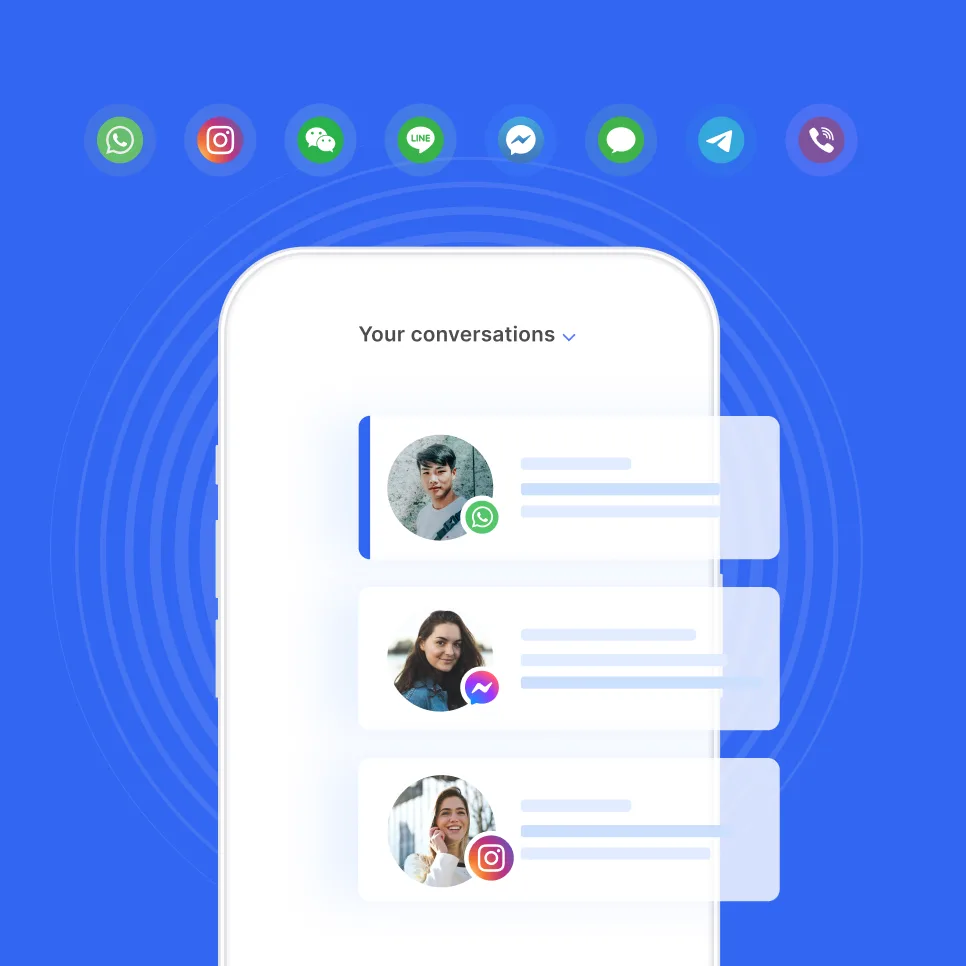
Want to outcompete your peers with SleekFlow's help?
Book your personalised demo with SleekFlow today and unlock the potential of seamless communication
Frequently Asked Questions
Can small sales teams benefit from AI sales automation?
Which sales channels benefit most from AI sales automation?
How do you measure the ROI of AI sales automation?
What sales tasks should still stay human-led?
Recommended for you


