SMS vs Email Marketing: Which Channel Delivers Better ROI?


TL;DR: Quick Summary
- Email excels in storytelling, automation, and long-term nurturing, while SMS wins with speed and 90–98% open rates.
- SMS drives instant action; email supports detailed content and scalable, cost-efficient communication.
- SMS achieves higher CTRs and faster conversions; email delivers stronger ROI over large audiences.
- Use SMS for urgent alerts and flash promos; email for newsletters, onboarding, and multi-step journeys.
- The best strategy combines both channels for balanced engagement and retention.
- SleekFlow enables omnichannel automation, personalization, and unified messaging across SMS, email, and WhatsApp.
Marketers today juggle between email and SMS marketing, two powerful yet distinct channels. Email offers space for storytelling and detailed offers, while SMS wins with speed and unbeatable engagement (with open rates as high as 98%).
But which delivers better ROI, conversions, and customer retention?
This blog breaks down the real email vs SMS marketing battle, covering costs, engagement rates, and when to use each. Whether you want to boost open rates, personalize campaigns, or drive instant action, you’ll discover how to choose the right channel for maximum impact.
What Is Email Marketing?
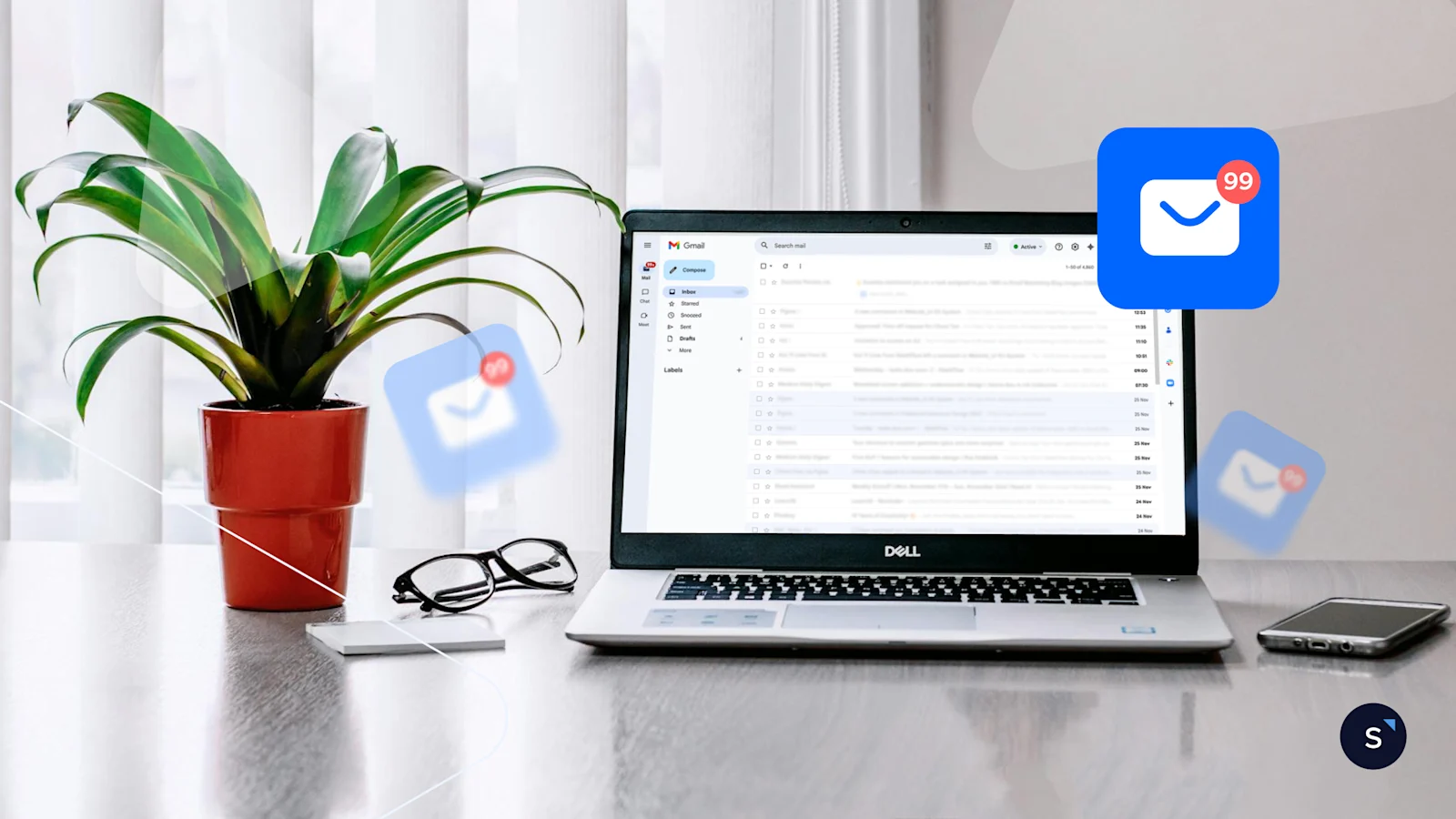
Email marketing is a digital strategy where businesses use emails to communicate directly with their audience, whether to inform, engage, or convert. It’s one of the most cost-effective channels, delivering an average ROI of $36 for every $1 spent. Brands use it for newsletters, promotions, onboarding, and lead nurturing to build strong customer relationships over time.
Unlike SMS, which thrives on immediacy, email marketing allows for detailed storytelling and creative visuals. With average open rates of 20–30% and click-through rates around 2–5%, it remains a powerful channel for long-term engagement, especially when combined with automation and personalization. Whether it’s a product update, educational content, or a re-engagement campaign, email continues to be the backbone of digital communication strategies.
What Is SMS Marketing?
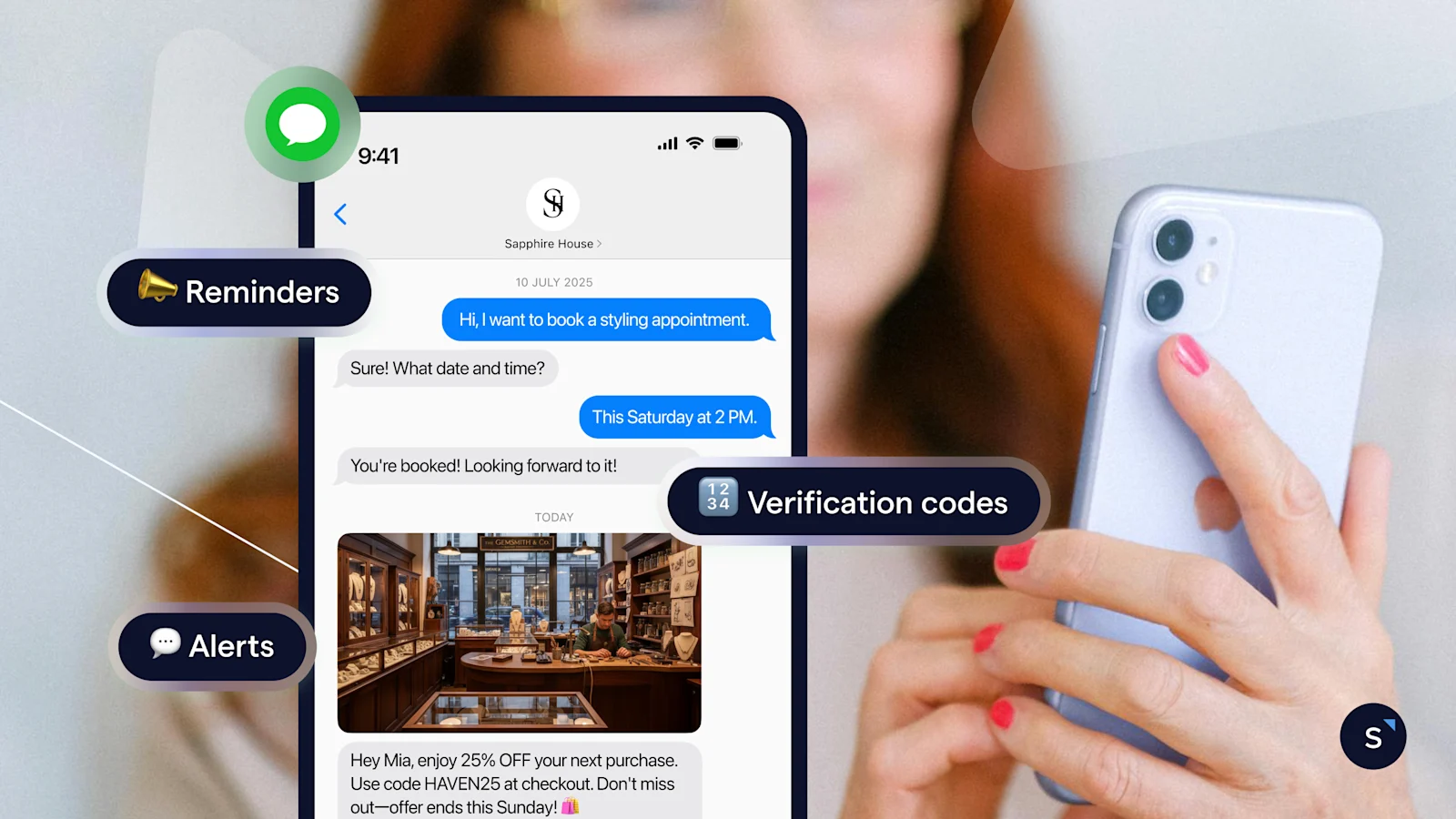
SMS marketing, also known as text message marketing, is a strategy that uses short, direct text messages to communicate with customers on their mobile phones. It’s one of the fastest and most personal ways to reach audiences, delivering messages straight to their inbox within seconds. Businesses use SMS marketing for various purposes such as sending alerts, reminders, flash promotions, and delivery updates.
Unlike email, SMS doesn’t rely on internet access or lengthy content, it’s concise, instant, and highly engaging. With average SMS open rates exceeding 90%, it’s a powerful channel for driving immediate action. In the SMS marketing vs email marketing comparison, SMS excels at real-time communication and customer engagement, making it ideal for time-sensitive campaigns, personalized offers, and customer retention.
Overall, SMS marketing delivers unmatched speed and engagement, while email marketing excels in automation, storytelling, and long-term retention. The smartest strategy is to combine both channels, using SMS for instant impact and email for sustained customer nurturing.
Comprehensive Comparison: Open Rates, Conversions & ROI
Both email and SMS marketing have unique strengths when it comes to engagement, conversion, and cost. Understanding these key differences helps marketers decide which channel fits best for their goals, whether it’s driving instant action or building long-term loyalty.
Open & Engagement Rates
When it comes to open and engagement rates, SMS marketing takes a clear lead. Text messages are usually opened within minutes, thanks to the immediacy of mobile notifications. With SMS open rates reaching 90–98%, brands can count on visibility and quick reactions.
Email marketing, however, shines in delivering content-rich communication allowing space for storytelling, visuals, and detailed offers that nurture deeper engagement over time.
Conversion & Response Rates
SMS marketing typically achieves faster conversion rates, especially for time-sensitive campaigns like flash sales, limited offers, or appointment reminders. Its concise format encourages immediate action.
Meanwhile, email marketing supports long-term relationship building, ideal for nurturing leads through personalized journeys and automation workflows that enhance customer loyalty.
Cost & ROI Comparison
From a cost perspective, email marketing is significantly cheaper at scale, making it ideal for large subscriber bases. In contrast, SMS marketing incurs a higher per-message cost but delivers stronger real-time engagement and higher short-term ROI.
When used together, both channels can complement each other, email driving consistent retention and SMS delivering instant results for urgent campaigns.
When to Use SMS vs Email
Choosing between SMS and email marketing depends on how urgent, detailed, or ongoing your communication is. The table below offers a quick decision framework with actionable examples across industries.
Tip: Combine both: use SMS for immediacy and email for depth. Together, they create a balanced, high-performing customer communication strategy.
Real-World Use Cases
Combining SMS and email marketing can significantly boost engagement, conversion rates, and customer satisfaction. Here’s how different industries use them together, powered by SleekFlow’s automation tools.
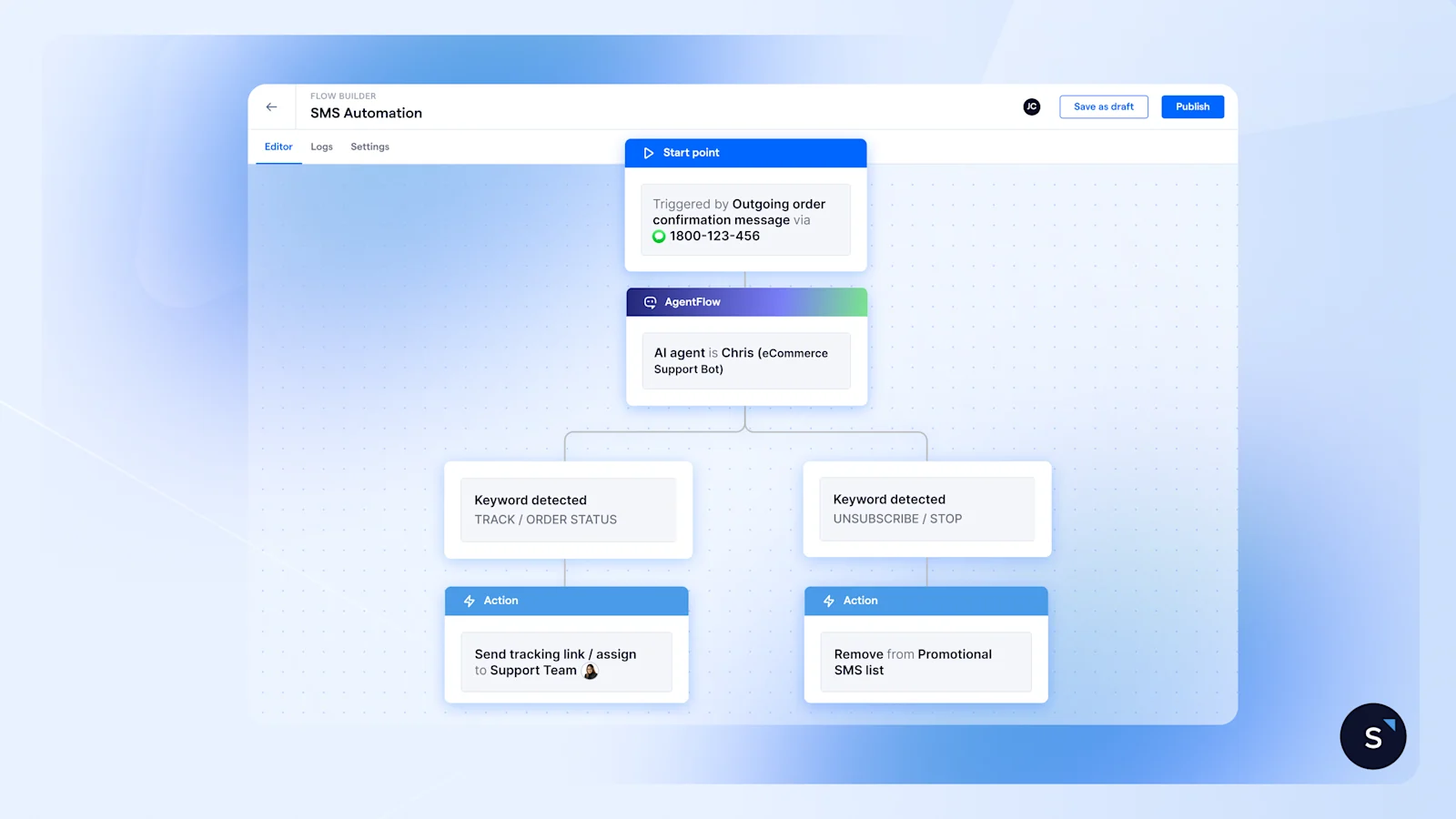
E-commerce:
An abandoned cart email can re-engage shoppers with visuals, product details, and discount codes. If there’s no action within 24 hours, an automated SMS flash offer via SleekFlow can create urgency, prompting instant checkout completion. This two-step strategy balances personalization with speed, maximizing ROI and reducing cart abandonment.
Healthcare:
Clinics can send an appointment confirmation email outlining visit details, followed by a reminder SMS a day before the appointment. Using SleekFlow’s automation, both messages can be triggered seamlessly, improving attendance rates and patient satisfaction while reducing no-shows.
SaaS:
For subscription-based businesses, an onboarding email series introduces key features and tutorials. As the trial nears its end, a trial expiry SMS alert ensures users don’t miss renewal opportunities. SleekFlow enables these workflows automatically, combining the depth of email with the immediacy of SMS.
By integrating SMS, WhatsApp, and other key messaging channels through SleekFlow’s omnichannel automation, brands can deliver timely, personalized communication that boosts engagement, loyalty, and customer lifetime value. While email integration is on the horizon, SleekFlow already empowers teams to connect instantly with customers and automate high-impact conversations across multiple touchpoints.
Want to see how other businesses succeed in doing WhatsApp and SMS marketing via SleekFlow? Check out our success stories.
How SleekFlow Can Help Manage SMS
SleekFlow, as an omnichannel social commerce platform, understands your business needs. You can use a WhatsApp Business API to send marketing messages through SMS and WhatsApp.
As an official WhatsApp Business Solution Provider (BSP), SleekFlow helps you:
Manage conversations in one shared inbox
Enable instant in-chat payments
Segment audiences and personalize message integration
Integrate with CRM and e-commerce tools
Automate customer interactions with AgentFlow; Build no-code AI agent workflows to send personalized messages, route chats, and nurture leads automatically across channels
Conclusion
Both email and SMS marketing bring unique strengths to the table. Email marketing excels in storytelling, nurturing, and automation, while SMS marketing wins with immediacy and engagement. The real power lies in combining both through an omnichannel strategy delivering the right message, on the right channel, at the right time.
With SleekFlow, you can manage SMS, email, WhatsApp, and more from one platform. Its automation-powered workflows simplify communication, improve conversions, and enhance customer experiences.
Streamline your SMS and omnichannel marketing with SleekFlow today.
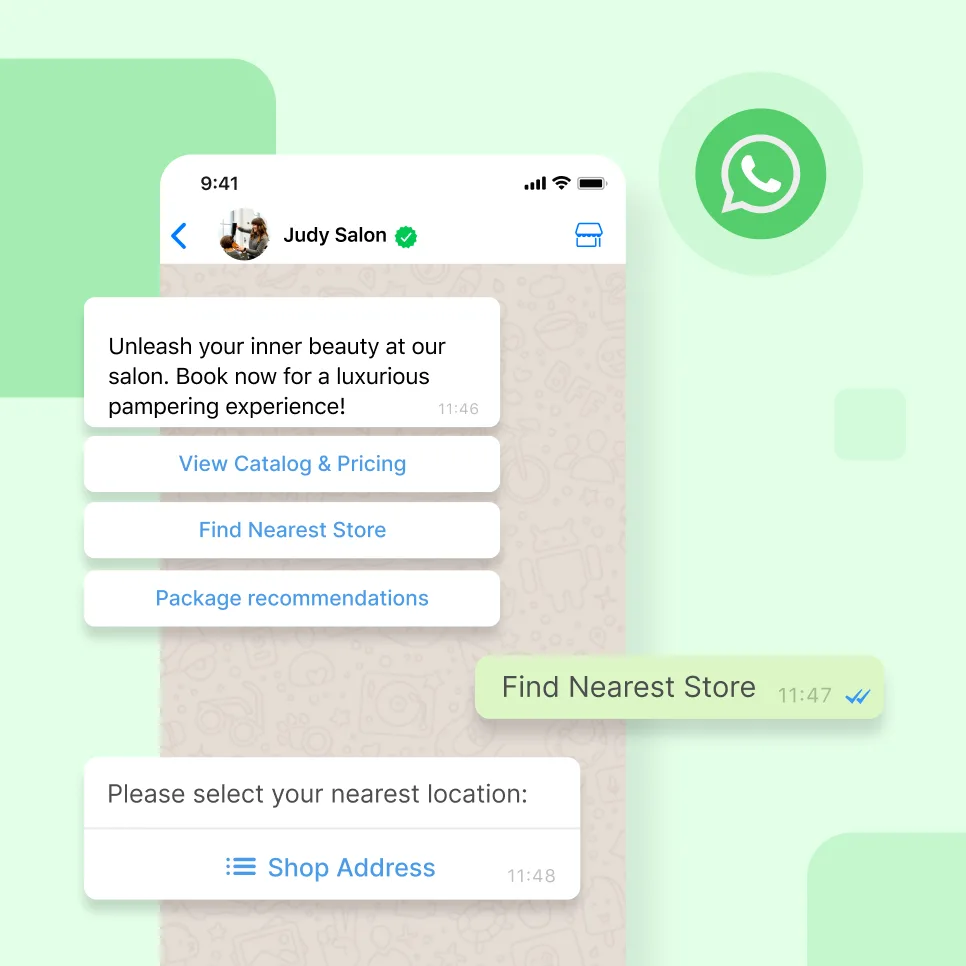
Still switching between apps?
Integrate all-in-one with SleekFlow.


