How to start a small business in Singapore: a step-by-step guide


Singapore is one of the most business-friendly countries in the world. The World Bank consistently ranks it among the easiest places to start and operate a company. Strong digital infrastructure, transparent regulations, and access to a large regional market make it a natural launchpad for entrepreneurs.
For small businesses, the opportunities are clear. The government offers generous grants, the corporate tax rate is competitive, and consumers have high digital adoption. Yet many new founders still stumble on the basics. Company structure, compliance, banking, branding, and customer engagement are areas that often get overlooked until they become bottlenecks.
8 steps for starting a small business in Singapore
1. Validate your business idea

Before you register anything, make sure there is a clear demand. Speak to your potential customers, test interest with small campaigns, and study your competitors. Singapore's market is small, which means competition is tight. You need a clear value proposition and a realistic understanding of what customers will pay for.
Ask yourself:
Who is the target segment?
What problem am I solving?
Is the customer base large enough?
Is there potential toI scale regionally?
2. Choose the right business structure
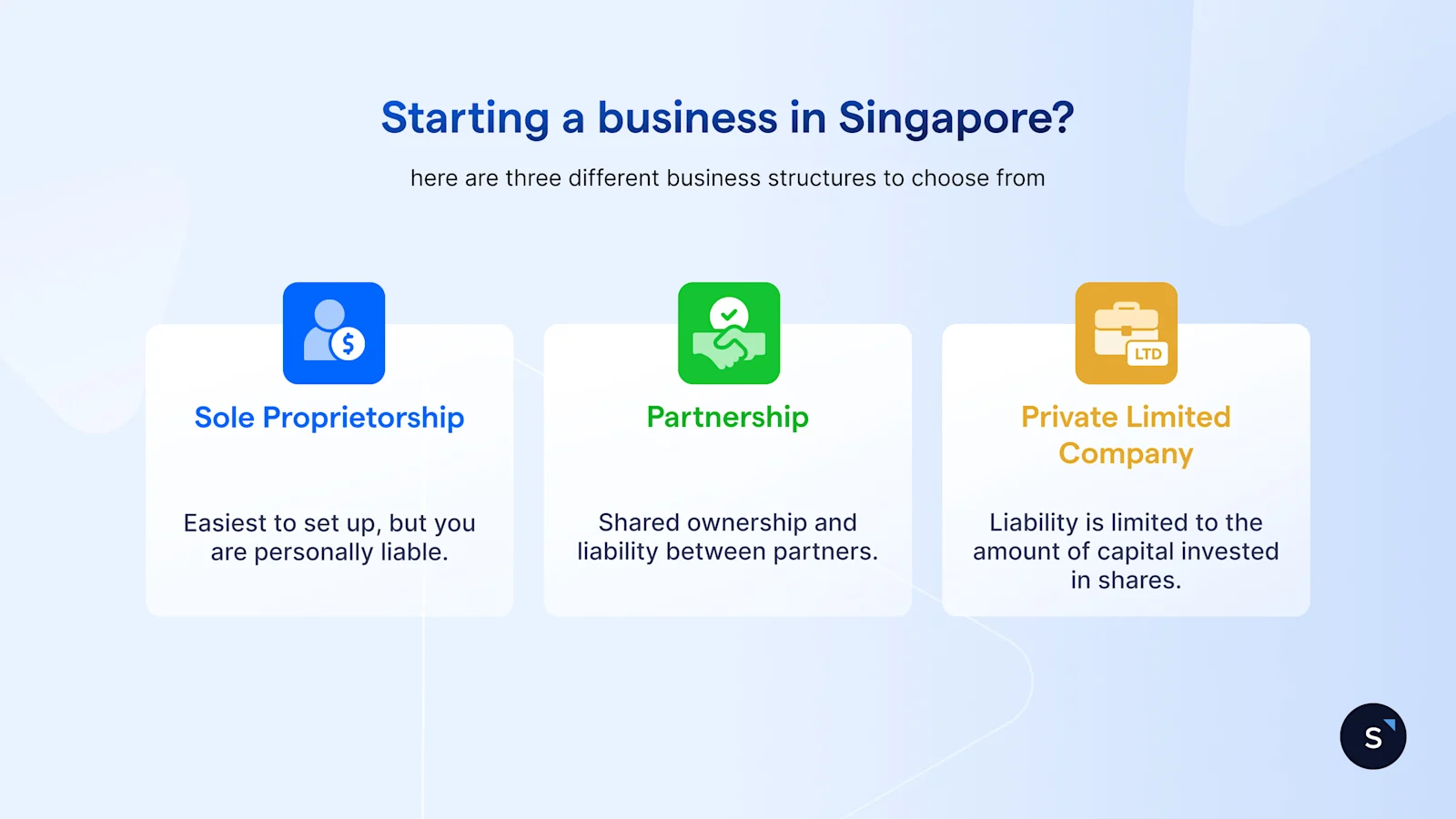
Most small businesses choose between
Sole Proprietorship: Easiest to set up, but you are personally liable
Partnership: Shared ownership and liability
Private Limited Company (Pte Ltd): Most common for SMEs, and liability is limited to the amount of capital invested in shares.
If you plan to grow or serve corporate clients, a Pte Ltd structure is usually the best option.
3. Register your business with ACRA
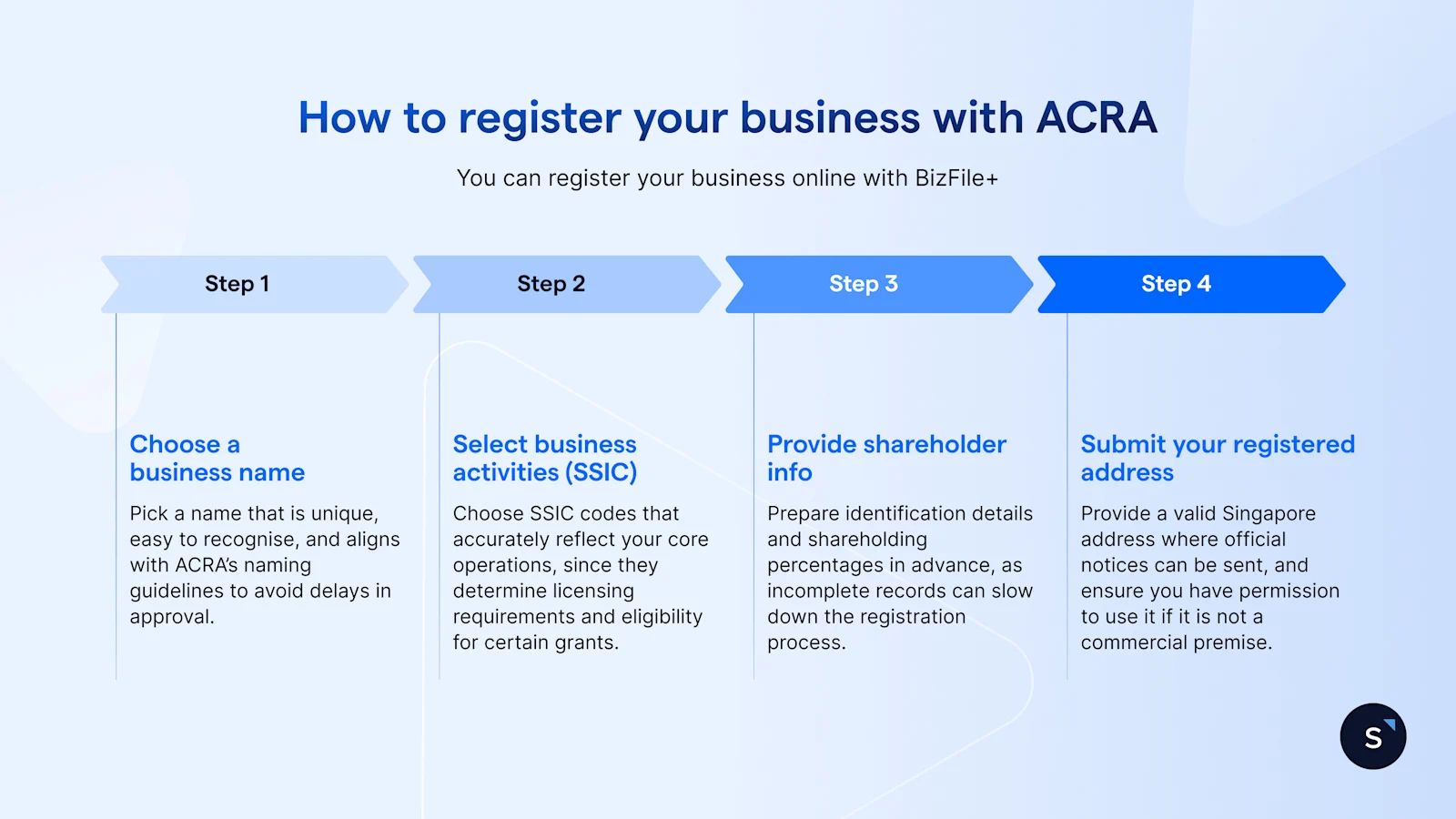
You can register your business online through BizFile+. Here are the steps:
Choose a business name: Pick a name that is unique, easy to recognise, and aligns with ACRA's naming guidelines to avoid delays in approval.
Select business activities (SSIC codes): Choose Singapore Standard Industrial Classification (SSIC) codes that accurately reflect your core operations, since they determine licensing requirements and eligibility for certain grants.
Provide shareholder and director information: Prepare identification details and shareholding percentages in advance, as incomplete records can slow down the registration process.
Submit your registered address: Provide a valid Singapore address where official notices can be sent, and ensure you have permission to use it if it is not a commercial premise.
Registration is usually approved within a day, unless additional checks are required.
4. Set up your corporate bank account
Once your business is incorporated, open a corporate bank account to keep your finances organised. Most banks in Singapore allow you to start the process online. Compare account fees, integration options, and minimum balances. If you plan to invoice overseas customers or receive international payments, consider multi-currency solutions or payment partners that offer lower FX rates.
5. Understand licences, taxes, and compliance
Your obligations will differ depending on your industry. Below are some sectors that require licences; however, do note that this list is not exhaustive:
Food and beverage
Travel agencies
Employment agencies
Retail dealing with controlled goods
On the tax front, keep track of
Corporate Income Tax
GST registration, required once revenue exceeds S$1 million
CPF contributions for employees
Setting up accounting and payroll software early helps reduce compliance mistakes later.
6. Make use of government grants such as the PSG

The Productivity Solutions Grant (PSG) supports SMEs for industry-specific solutions or approved digital solutions. This includes CRM systems, E-commerce setups, HR tools, digital marketing tools, and more.
New businesses often overlook the PSG because they assume grants are only for established companies. In reality, as long as you meet the SME eligibility criteria, you can apply even in your first year of operation.
Benefits
Lower upfront cost for essential business systems
Faster digital adoption
Higher efficiency across sales and operations
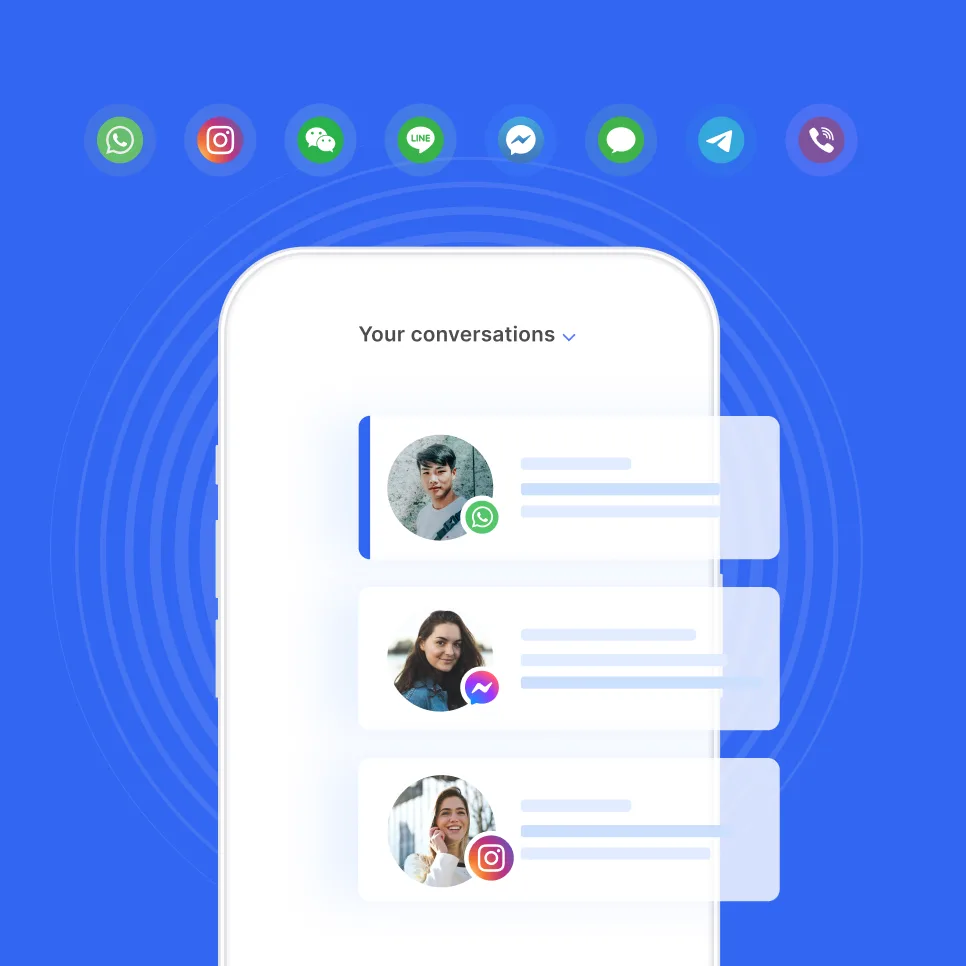
We recommend adopting an industry-agnostic solution that will help you make full use of the grant, such as an omnichannel conversational platform that meets your customers where they are at, or a Customer Relationship Management (CRM) system.
Claim your digital edge today
Book your personalised demo with SleekFlow today to view our available pre-approved PSG packages. Limited slots.
7. Build your brand and set up your customer engagement channels
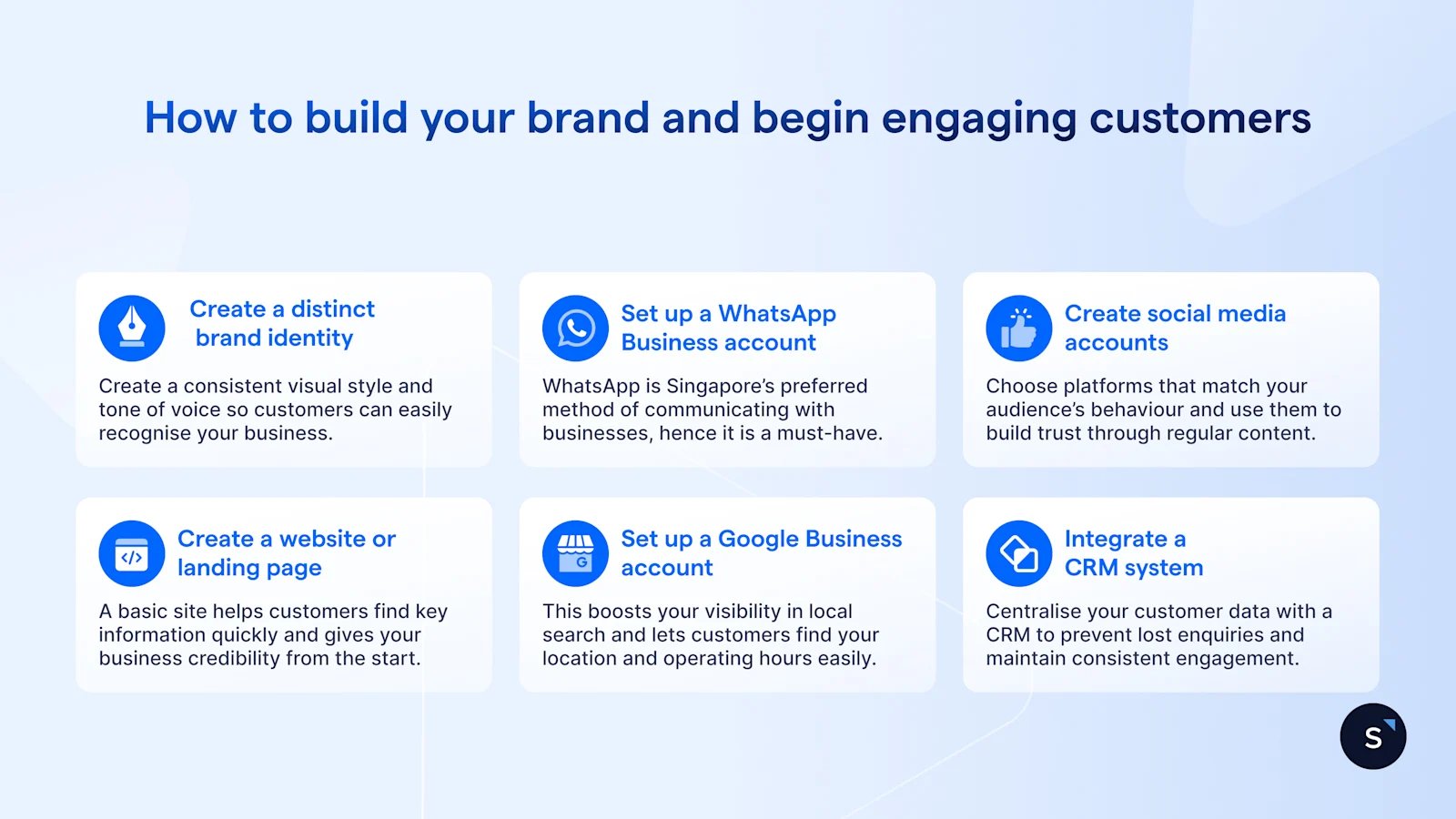
After your backend is in place, shift towards building visibility and customer relationships. Singaporeans interact heavily through messaging apps, so your social and communication channels matter. Here are some things that can help you get started.
A distinct brand identity: Create a consistent visual style and tone of voice so customers can recognise your business across every channel.
A WhatsApp Business account: Set this up early, as WhatsApp is Singapore's preferred method of communicating with businesses.
Instagram, Facebook, and other social media accounts: Choose the platforms that match your audience's behaviour and use them to build trust through regular, engaging content.
A simple website or landing page: Even a basic site helps customers find key information quickly and gives your business credibility from the start.
A Google Business account: This boosts your visibility in local search and allows customers to discover your business, reviews, and operating hours easily.
A CRM system: A CRM helps you to store leads and track conversations by centralising your customer data. This prevents lost enquiries and helps you maintain consistent engagement as your business grows.
For B2C or B2B businesses, having a CRM early lets you avoid scattered data and missed leads. If your CRM can centralise chats across multiple communication platforms, that is an added bonus, as you will be able to keep track of every enquiry in one place.
8. Create your marketing strategy
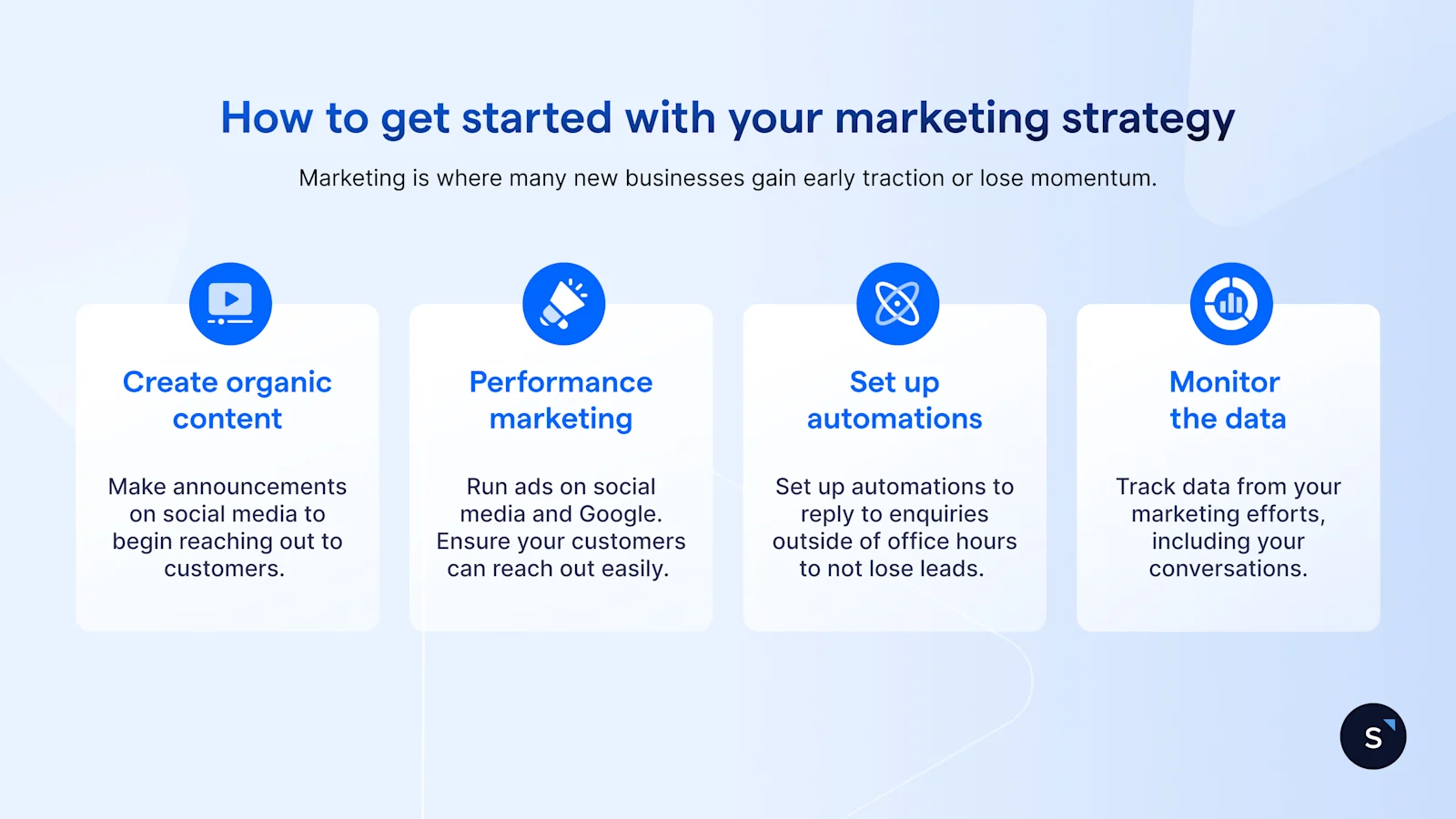
Marketing is where many new businesses gain early traction or lose momentum. In Singapore's competitive environment, visibility and consistent communication matter. Here are some ways you can get started:
Create organic content: Make announcements on social media to begin reaching out to customers
Start performance marketing: Run ads on social media and Google. We recommend Click-to-WhatsApp as they are a low-friction way for your customers to reach out.
Set up automations to reply to customers: Ensure you have automations in place to reply to enquiries outside of office hours
Monitor data: Tracking data from your marketing efforts gives you insight into what's working and what's not. We also recommend tracking conversation data to identify drop-off points.
A unified messaging and CRM platform can streamline this entire workflow, helping you stay responsive, organised, and consistent as your marketing grows.
Moving from setup to sustainable growth
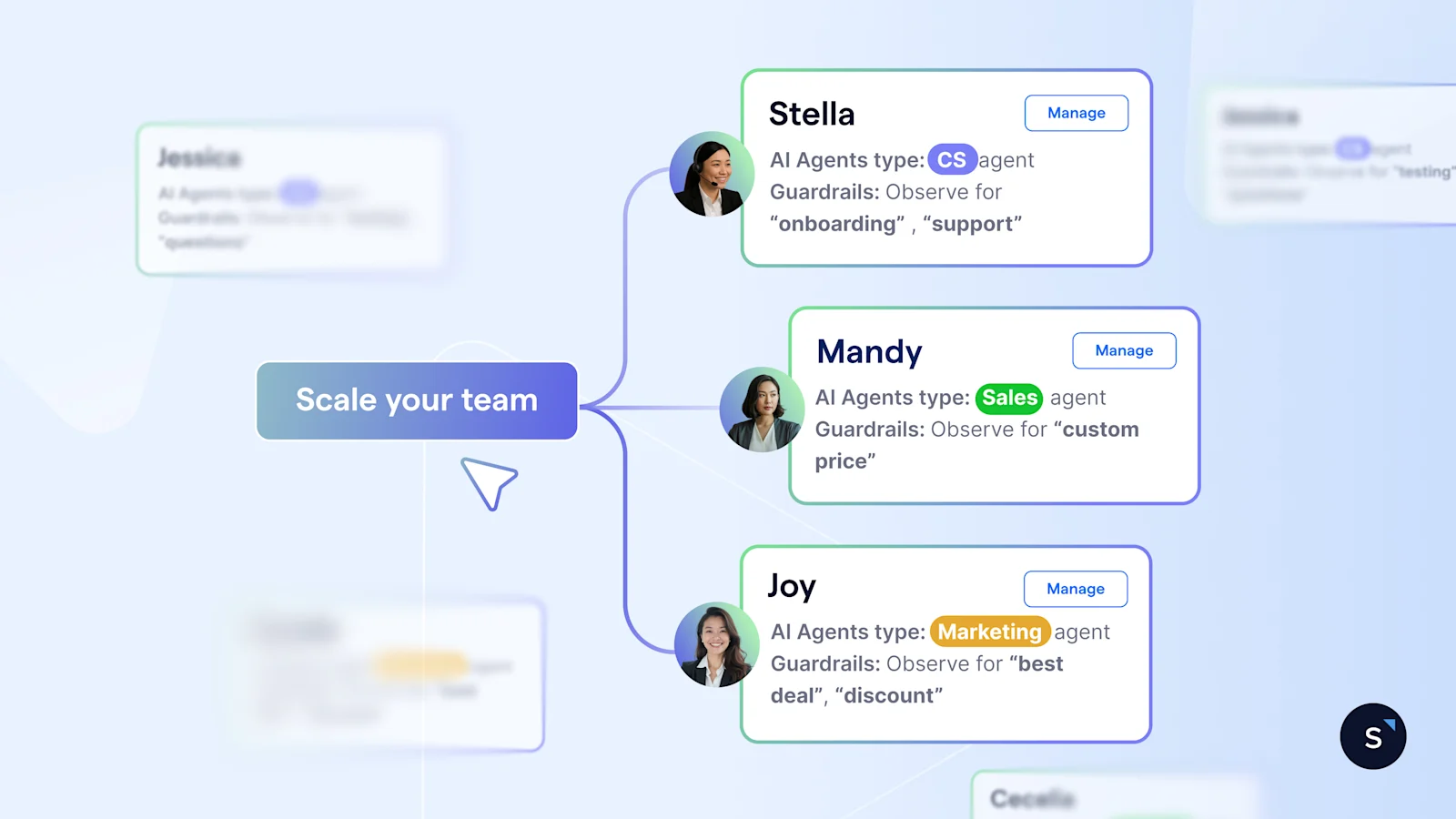
Starting a business in Singapore is only the first milestone. What determines long-term success is how quickly you can build momentum, stay organised, and respond to customers consistently. Once you have the basic setup, the next phase is about sharpening your operations and strengthening your customer relationships, and this is where your digital stack becomes a real differentiator.
While government support, such as the PSG can help you adopt essential tools early, the goal is not to collect software. The goal is to build a system that helps you run lean, stay visible, and make every customer interaction count, and a centralised messaging and CRM platform does exactly that.
If you're still deciding where to start, SleekFlow offers a 7-day free trial of the Pro Plan that lets you try these capabilities without any commitment or credit card. It gives you the essentials to manage conversations, automate simple workflows, and better understand your customers, even in your earliest stages. As your business grows, you can scale up and integrate with more advanced systems when the time is right.
Want to outcompete your peers with SleekFlow's help?
Book your personalised demo with SleekFlow today and unlock the potential of seamless communication


